Cyprus Plans Museum at Former Nicosia Airport to Promote Unity Between Communities
Plans have been announced to transform the long-abandoned Nicosia International Airport into a museum designed to promote reconciliation and bring together Cyprus’s divided communities. The historic airport, which has stood frozen in time for decades within the United Nations buffer zone, could soon become a symbol of shared heritage and dialogue rather than division.
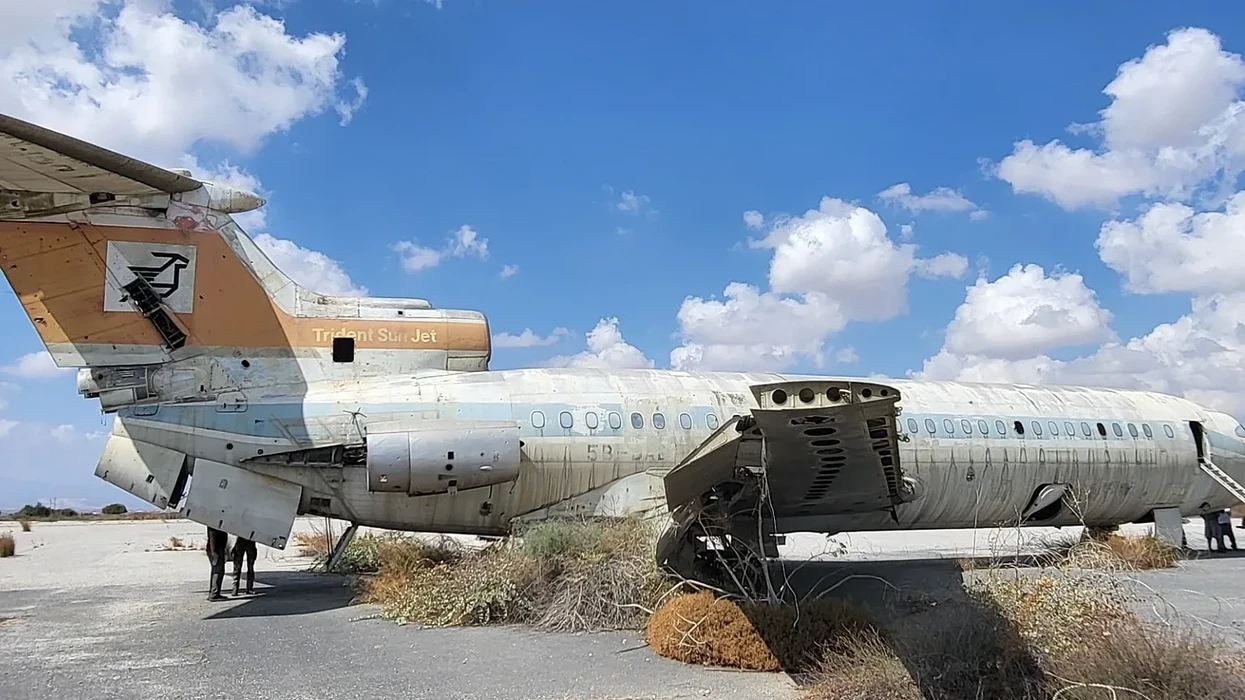
Once the main gateway to Cyprus, the airport was abandoned after the events of 1974, when conflict split the island into Greek Cypriot and Turkish Cypriot regions. Since then, the facility has remained largely untouched, with old aircraft, terminals, and infrastructure preserved as reminders of a turbulent chapter in the country’s history. The proposed renovation aims to repurpose the site into a cultural and educational space that encourages reflection and cooperation.
According to project organizers, the future museum will focus on the island’s complex past while also highlighting stories of coexistence and resilience among Cypriots. Exhibitions are expected to include historical archives, multimedia installations, and personal testimonies from individuals affected by decades of separation. The goal is to create a neutral space where both communities can engage with history in a balanced and inclusive way.
Supporters of the initiative say that converting the airport into a museum could play a significant role in peace-building efforts. By preserving the site’s original structure while introducing new cultural elements, planners hope to turn a former symbol of conflict into a shared landmark. Experts believe such projects can help foster dialogue by encouraging visitors to reflect on common experiences rather than political differences.
The airport’s location inside the UN-controlled buffer zone makes the project both symbolic and logistically complex. Any renovation work would require coordination between local authorities, international organizations, and representatives from both sides of the island. Officials involved in early discussions have expressed cautious optimism, noting that cultural projects often serve as bridges in situations where political negotiations move slowly.
Historians describe Nicosia International Airport as one of the most striking examples of a “frozen” space in Europe. The terminal building still contains old departure boards, luggage areas, and furnishings from the early 1970s, offering a rare glimpse into a moment when Cyprus was still unified under a single aviation hub. Preserving these elements is expected to be a key part of the museum’s design, allowing visitors to experience the atmosphere of the past while learning about the island’s evolving future.
Community leaders from both Greek Cypriot and Turkish Cypriot backgrounds have expressed interest in the idea, emphasizing the importance of creating shared cultural spaces. Some believe that art, history, and education can help build trust between younger generations who did not directly experience the events that led to the island’s division.
However, challenges remain. Funding, political sensitivities, and security considerations could all influence the timeline of the renovation. Analysts note that similar cross-community initiatives in Cyprus have faced delays in the past, often due to broader diplomatic tensions. Even so, many observers see the project as a positive step toward highlighting common cultural identity.
Architects involved in preliminary concepts have suggested maintaining the airport’s historic character while introducing sustainable design features. Plans include restoring certain parts of the terminal, creating exhibition halls, and developing outdoor areas where visitors can learn about the history of aviation on the island. The museum could also host educational programs, cultural events, and workshops aimed at promoting dialogue.
International organizations have shown interest in supporting the initiative, viewing it as an example of how cultural heritage can be used to encourage peace and cooperation. If completed, the museum would likely attract visitors from across Europe and beyond, offering a unique opportunity to explore a site that has remained largely inaccessible for decades.
For many Cypriots, the transformation of Nicosia’s abandoned airport represents more than just a renovation project. It reflects a broader hope that spaces once associated with conflict can be reshaped into places of understanding and connection. By turning the silent terminal into a living museum, organizers aim to preserve history while inspiring a vision of unity for future generations.