US Calls on Iran to Act Wisely and Return to Negotiations
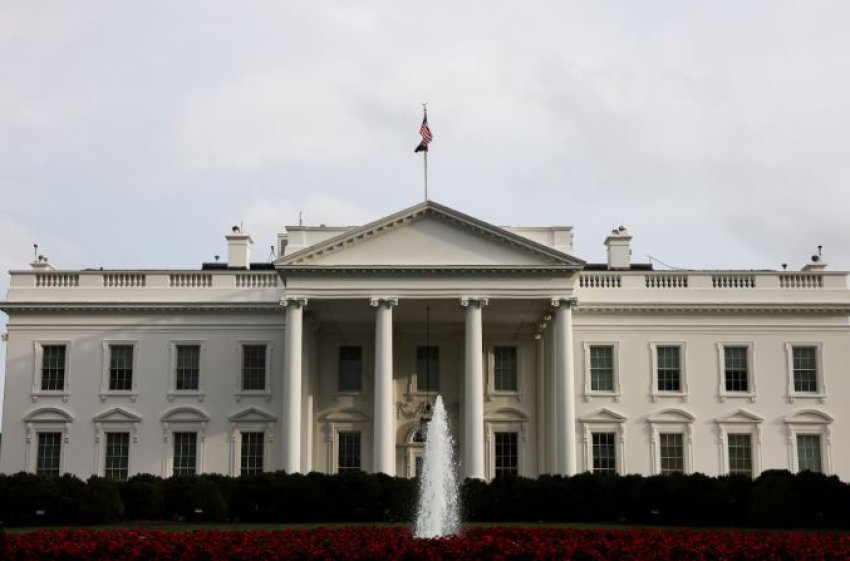
White House: Iran Should Act Smart and Reach an Agreement
The White House has called on Iran to “be smart” and pursue a diplomatic agreement, as tensions in the region continue to rise and concerns about potential escalation grow. US officials emphasized that dialogue remains the preferred path forward, urging Tehran to consider negotiations as a way to reduce instability and avoid further confrontation.
Speaking during a press briefing, representatives of the US administration said that diplomacy offers the best opportunity to address ongoing disputes and prevent a broader crisis. While acknowledging the complex relationship between Washington and Tehran, officials stressed that an agreement could help stabilize the region and create conditions for improved international cooperation.
The statement comes at a time when geopolitical tensions have intensified, with multiple reports highlighting increased military readiness and strong rhetoric from both sides. Analysts believe that public calls for negotiation may be intended to signal openness to diplomacy while also applying pressure on Iran to engage constructively.
US officials did not provide specific details about what a potential agreement might include but suggested that discussions could involve security issues, regional stability, and broader international concerns. In recent years, negotiations between the two countries have often centered on nuclear policy and sanctions, though talks have faced repeated setbacks.
Iranian authorities have previously said they are willing to consider diplomatic solutions if certain conditions are met, including respect for national sovereignty and the easing of economic restrictions. However, disagreements over verification measures and political trust have complicated efforts to reach a lasting arrangement.
International observers note that statements from the White House often serve both diplomatic and strategic purposes. By encouraging Iran to “be smart,” US officials may be signaling that the door to negotiations remains open while also emphasizing the potential consequences of continued tensions.
European allies and global organizations have echoed calls for restraint, urging all parties to avoid actions that could escalate the situation further. Many governments are closely monitoring developments, aware that any breakdown in diplomacy could affect regional security, global markets, and humanitarian conditions.
Experts say that diplomatic messaging plays a key role during periods of uncertainty. Public remarks from senior officials can influence perceptions, shape negotiations behind the scenes, and reassure allies that efforts toward peaceful solutions are ongoing. At the same time, analysts caution that strong rhetoric on both sides may complicate progress if not accompanied by concrete diplomatic steps.
The White House has reiterated that it prefers a negotiated outcome rather than confrontation, highlighting the importance of communication channels between nations. Officials also emphasized that cooperation from international partners will be essential in any future agreement, given the global impact of tensions involving Iran.
As discussions continue, many observers are watching for signals from Tehran about whether new talks could take place. While no immediate negotiations have been announced, diplomatic efforts often unfold gradually through indirect channels and multilateral meetings.
For now, the White House’s message reflects a combination of pressure and outreach, encouraging Iran to consider diplomacy as the most effective path forward. With regional tensions still high, the coming weeks may prove crucial in determining whether dialogue can reduce the risk of escalation and open the door to renewed negotiations.