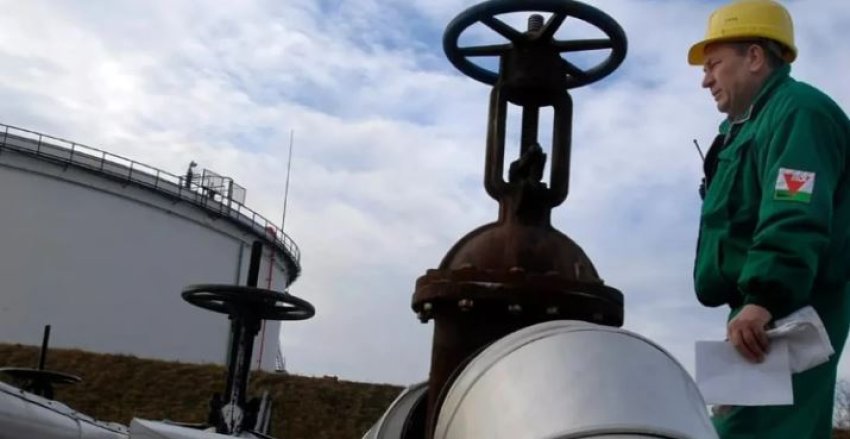
Hungary and Slovakia have temporarily stopped exporting diesel fuel and certain oil supplies to Ukraine, a move that has increased tensions in the region and raised concerns about energy security during the ongoing war. The decision comes after disruptions to the Druzhba oil pipeline, a key route that delivers Russian crude oil through Ukrainian territory to Central Europe.
According to recent reports, both governments said the suspension of exports is linked to the halt of Russian oil transit via the pipeline. Officials in Budapest and Bratislava argue that the disruption has affected their own fuel reserves, prompting them to prioritize domestic supply over exports to Ukraine.
Why Hungary and Slovakia stopped the exports
The main trigger behind the decision is the interruption of oil flows through the Druzhba pipeline, which has not been operating since late January following attacks that damaged energy infrastructure in Ukraine. Without steady crude deliveries, refineries in Hungary and Slovakia face pressure to conserve resources for their own markets.
Slovak Prime Minister Robert Fico ordered the country’s refinery to halt diesel exports and redirect production to domestic use, while Hungary’s foreign minister announced that fuel shipments to Ukraine would remain suspended until oil transit resumes.
Both countries have also released part of their strategic oil reserves and are exploring alternative supply routes, including maritime deliveries through Croatia.
Impact on Ukraine’s fuel market
Despite the political tension, analysts say the decision may not have a major impact on Ukraine’s overall fuel supply. Data suggests that the Hungarian-Slovak route accounts for roughly 10–11% of Ukraine’s diesel imports, meaning alternative sources could cover most of the shortfall.
Energy experts have pointed out that Ukraine has previously managed similar disruptions by increasing imports from Poland, Greece, and other European partners. Some analysts also noted that the suspension comes during a period of relatively low diesel demand, reducing the immediate risk of shortages.
Political tensions behind the move
The situation has sparked a broader dispute between Kyiv and the two EU countries. Hungarian and Slovak officials have accused Ukraine of contributing to the pipeline stoppage, while Ukrainian authorities argue that the disruption is linked to Russian attacks on infrastructure rather than political decisions.
The European Commission has reportedly been in contact with all sides to monitor the situation and prevent further escalation, highlighting how energy supplies remain deeply intertwined with geopolitics during the war.
What happens next?
Experts say the suspension could last weeks or even months, depending on when oil transit through Druzhba is restored or alternative supply routes become fully operational. Hungary and Slovakia have already begun seeking other sources of crude oil to maintain refinery operations, suggesting that the energy standoff may continue for some time.
For now, the decision illustrates the fragile balance between national energy security and regional cooperation during wartime. While the halt in exports has added another layer of tension between European neighbors, analysts believe Ukraine’s fuel market is likely to adapt by relying on diversified supply chains.