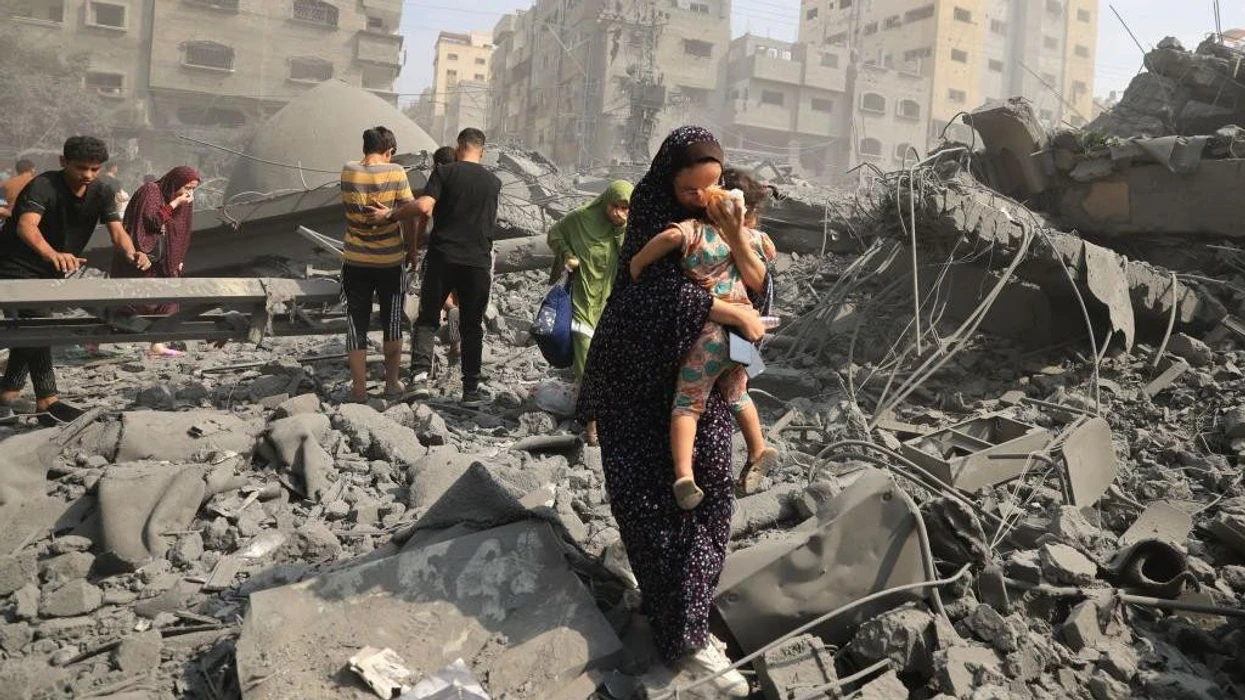
A newly published study indicates that the number of deaths in Gaza during the first 16 months of the war may be far higher than previously reported by official sources. According to research released in The Lancet Global Health, the total number of violent deaths in Gaza between October 7, 2023, and January 5, 2025, is estimated to have reached more than 75,000.
The Gaza Mortality Survey calculated approximately 75,200 violent deaths during that period, a figure that exceeds earlier official estimates by a substantial margin. At the beginning of 2025, the Palestinian health ministry reported that 49,090 people had died, but the new study suggests the true number may have been about 35 percent higher.
Researchers involved in the project included experts from multiple fields, such as economics, demography, epidemiology, and survey methodology. Their work aimed to provide a broader picture of the human cost of the conflict by combining statistical analysis with direct interviews conducted inside Gaza.
One of the key findings of the study is that the demographic breakdown reported by health authorities appears to be largely accurate. According to the research, women, children, and elderly individuals accounted for a significant proportion of the fatalities. The report estimates that around 42,200 women, children, and older adults experienced violent deaths by early January 2025, representing approximately 56 percent of the total.
The authors wrote that combined evidence suggests that about 3.4 percent of Gaza’s population had been killed through violence by that date. They also noted that many additional deaths may have occurred indirectly as a result of the ongoing conflict. These indirect fatalities include cases linked to malnutrition, lack of access to healthcare, and untreated medical conditions that worsened during the crisis.
Michael Spagat, a professor of economics at Royal Holloway and one of the study’s authors, explained that the research points to roughly 8,200 additional deaths that may have been caused by indirect effects of the war by January 2025. He emphasized that measuring mortality during an active conflict is extremely challenging and often requires multiple sources of data to build a more accurate estimate.
To gather information, the research team conducted interviews with around 2,000 families across Gaza. Participants were carefully selected to represent different parts of the population, and they were asked to provide detailed information about deaths among their family members. The researchers then used statistical methods to extrapolate broader trends from the collected data.
Studies like this are often designed to complement official records rather than replace them. In conflict zones, tracking casualties can be complicated due to displacement, damaged infrastructure, and limited access to reliable reporting systems. As a result, independent surveys and academic research are frequently used to assess whether official figures may underestimate or overestimate the scale of events.
The publication of the findings has already sparked discussion among analysts and humanitarian organizations. Some experts say the study highlights the importance of independent research in understanding the full impact of war on civilian populations. Others caution that mortality estimates can vary depending on methodology and data sources, meaning that figures should be interpreted carefully.
Despite differing perspectives, the study underscores the profound human toll of the ongoing conflict in Gaza. By combining household interviews with demographic analysis, the researchers attempted to provide a more comprehensive picture of both direct and indirect consequences of the war.
As debates continue over casualty figures and the broader implications of the research, the authors say their main objective is to contribute to a clearer understanding of the scale of loss experienced by the population. They argue that accurate data is essential for planning humanitarian responses, supporting affected communities, and informing international discussions about the conflict.