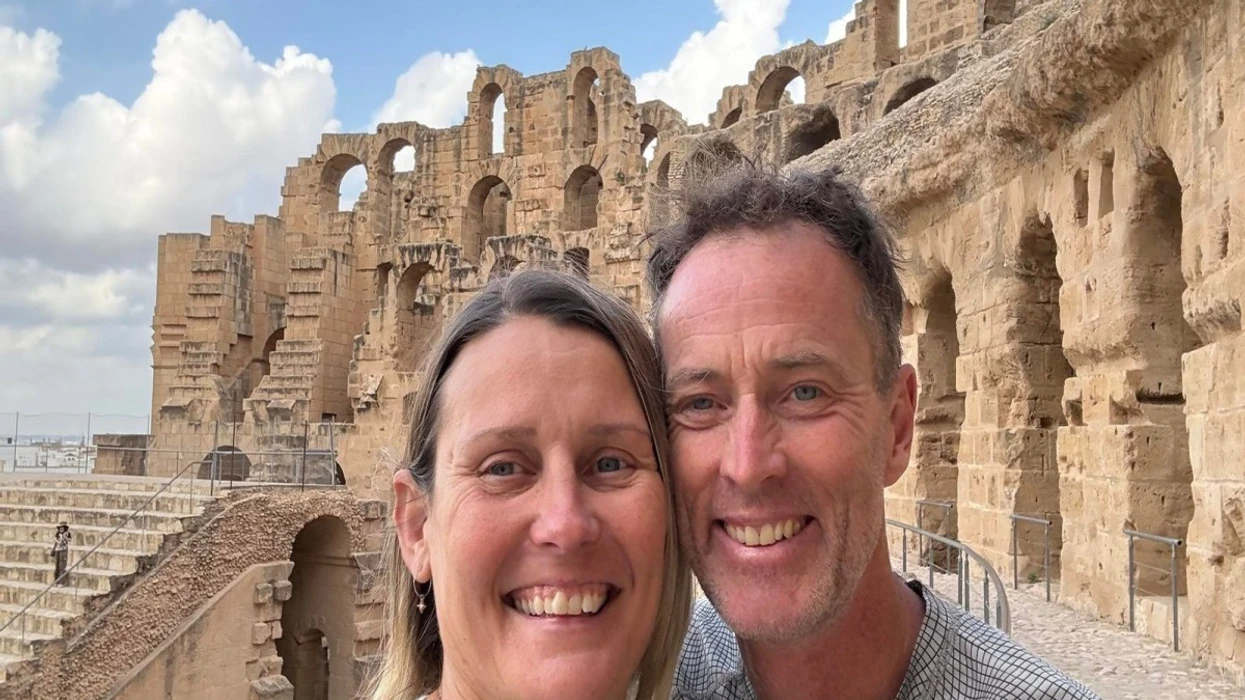
Iran Sentences British Motorbike Travellers to 10 Years, Family Denies Espionage Claims
British Couple Sentenced to 10 Years in Iran on Espionage Charges
Two British citizens, Lindsay Foreman and Craig Foreman, have been sentenced to 10 years in prison in Iran after being convicted of espionage, a verdict that has sparked strong criticism from the United Kingdom and drawn international attention. The couple, who were reportedly travelling around the world by motorcycle, were arrested in January 2025 and have been held in Tehran’s Evin prison since then.
UK Home Secretary Yvette Cooper described the sentencing as “completely appalling and entirely unjustified,” stressing that British authorities will continue to press the Iranian government until the couple are safely returned home. She emphasized that the UK is working tirelessly through diplomatic channels to secure their release and reunite them with their family.
According to reports, the Foremans deny all allegations of espionage. Their relatives say they have seen no evidence supporting the charges and believe the case reflects a broader pattern of politically motivated detentions involving foreign nationals in Iran. Family members have expressed deep concern about the conditions under which the couple has been held and the fairness of the legal process.
Joe Bennett, Lindsay Foreman’s son, said the trial lasted only three hours and claimed that the couple were not allowed to present a full legal defense. He stated that they had consistently rejected the accusations and that the family has yet to see any proof that would justify such a severe sentence. Bennett has urged the British government to act decisively and use every available diplomatic avenue to bring them home.
The sentencing followed a court appearance on October 27, 2025, before Judge Abolghasem Salavati in Tehran. Salavati has previously faced sanctions from the United Kingdom, the United States, and the European Union over alleged human rights violations and involvement in trials criticized internationally for lacking due process. Human rights advocates have long raised concerns about cases heard under his authority.
Before the verdict was delivered, Craig Foreman reportedly described harsh detention conditions, including confinement in a small cell with minimal facilities. He said he spent 57 days in isolation, an experience he described as emotionally and physically devastating. Such accounts have fueled further criticism from international observers who argue that detainees should receive fair treatment and access to legal representation.
The Iranian authorities have not released extensive details about the evidence presented in court. Espionage cases in Iran often involve sensitive national security claims, and information about investigations is frequently limited. Analysts note that similar cases involving foreign nationals have in the past become complicated diplomatic disputes between Iran and Western governments.
The situation has added to ongoing tensions between Tehran and London, with British officials repeatedly calling for transparency and fairness in the legal process. Diplomatic experts say negotiations over detained citizens can take months or even years, often involving behind-the-scenes discussions aimed at resolving disputes without escalating political tensions further.
International human rights organizations have also raised concerns about the broader implications of the case. Some argue that the use of espionage charges against foreign travellers risks discouraging tourism and international engagement, while others say the issue highlights the challenges of navigating legal systems in countries with different political and judicial frameworks.
Meanwhile, supporters of the couple have launched public campaigns urging authorities to secure their release. Friends and relatives describe the Foremans as experienced travellers who were documenting their journey around the world, rejecting any suggestion that they were involved in intelligence activities.
As the case continues to unfold, British officials have reiterated that their priority remains the safety and well-being of the two citizens. Government representatives say they are providing consular support to the family and maintaining regular communication with international partners to push for a resolution.
For now, the fate of Lindsay and Craig Foreman remains uncertain. Observers expect ongoing diplomatic pressure and potential negotiations in the coming months, as the UK government seeks a pathway that could lead to their return home. The case has once again highlighted the complex intersection between international politics, legal systems, and the safety of citizens travelling abroad.