Israel Reportedly Preparing for Possible Strike on Iran
Reports suggesting that Israel may be preparing for a potential military strike against Iran have intensified global attention, raising concerns about a possible escalation in the Middle East. Security analysts and international observers say that any direct confrontation between the two countries could have far-reaching political, economic, and humanitarian consequences.
According to recent media coverage, Israeli defense planners are reviewing various scenarios amid growing fears about Iran’s regional activities and military capabilities. While no official confirmation of an imminent attack has been issued, heightened military readiness and increased rhetoric from officials have fueled speculation about possible developments in the coming days or weeks.
Israeli leaders have repeatedly stated that they view Iran’s strategic ambitions as a major security concern. In recent years, Israel has emphasized that it reserves the right to act independently if it believes its national security is under threat. Analysts say that such statements are often intended to deter adversaries, but they also contribute to rising tensions in an already fragile region.
Iranian authorities have not confirmed any immediate military escalation but have warned against what they describe as aggressive policies from regional rivals. Tehran has previously stated that any attack on its territory would prompt a strong response. Experts note that even limited military actions could risk triggering a wider conflict involving multiple countries and armed groups across the Middle East.
International reactions have been cautious. Several European leaders and global organizations have urged restraint and called for diplomatic solutions, emphasizing that dialogue remains essential to preventing further instability. The United States and other allies are closely monitoring the situation, with officials stressing the importance of avoiding steps that could lead to a broader confrontation.
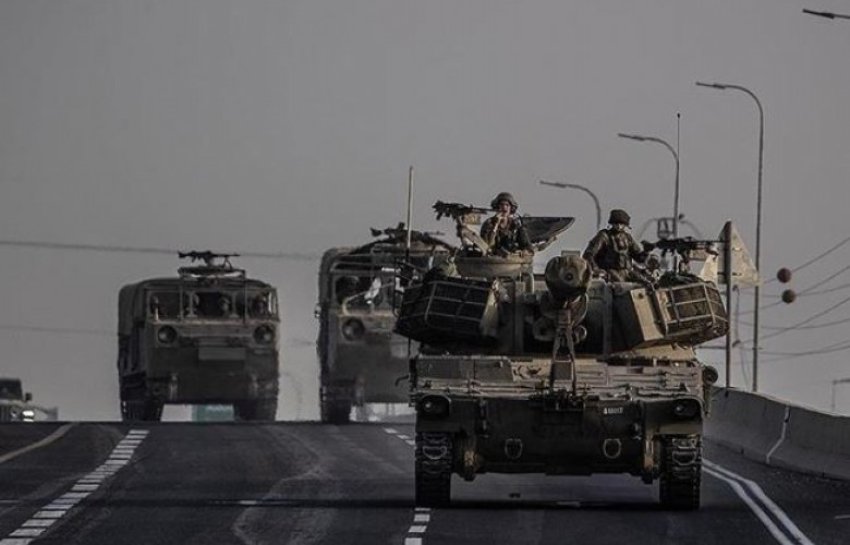
Military experts point out that preparing for a potential strike does not necessarily mean one will occur. Armed forces often plan for multiple contingencies as part of routine defense strategy. However, the presence of advanced aircraft, missile systems, and intelligence operations in the region means that any miscalculation could rapidly escalate tensions.
Financial markets have also reacted to the reports, with energy analysts warning that heightened geopolitical risks could affect global oil prices and trade routes. The Middle East remains a key hub for energy supply, and even the perception of increased military activity can influence investor confidence.
Diplomatic observers say that the current situation reflects a complex mix of political signaling and strategic calculation. Public statements about readiness may be intended to pressure opponents or strengthen negotiating positions rather than signal immediate action. Nonetheless, the rhetoric has sparked debate among analysts about the possibility of a new phase in regional security dynamics.
For civilians in the region, the prospect of escalation raises concerns about safety and stability. Humanitarian organizations have called for calm, highlighting the potential impact that renewed conflict could have on already vulnerable populations.
As of now, officials from Israel have not announced a confirmed timeline or operational plan. Analysts expect that developments in the coming days will depend heavily on diplomatic discussions, intelligence assessments, and broader geopolitical considerations.
The situation remains fluid, with many uncertainties surrounding what steps, if any, Israel may ultimately take. Observers worldwide continue to monitor official statements and military movements closely, hoping that diplomatic efforts will prevail and prevent a new escalation in an already tense region.